












UKIYO · Journal
Hard Water Hair: What It Does and the Shampoo That Fixes It (NZ)
By Codie Hair, Owner, UKIYO Wānaka
Shop this article
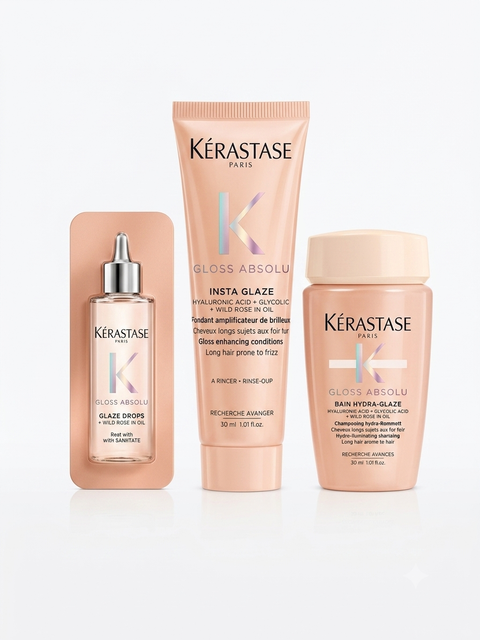
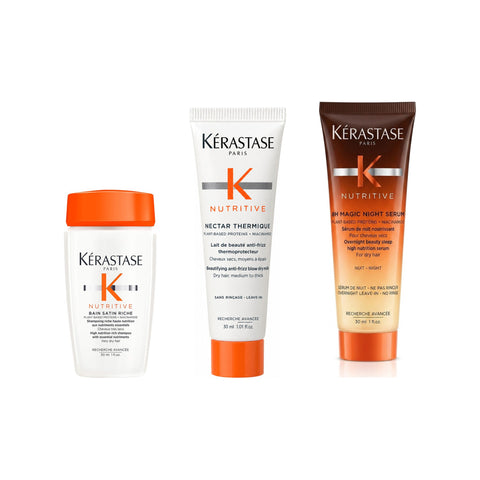
The exact products our stylists recommend in this piece — genuine salon stock, shipped NZ-wide from Wānaka. Orders over $59 get a free Kérastase travel-size gift at checkout.

Free NZ shipping over $75.
Short answer: Hard water leaves calcium and magnesium on your hair. Over time that film makes colour dull and fade faster, blondes look dingy, and hair feels dry and rough however much you condition. A normal shampoo won't shift it. Use a decalcifying (chelating) shampoo once a week or so, follow with a mask, and do one before colour appointments.
Updated November 2026. Prices are our live online prices.
If your colour goes flat fast, your ends feel dry no matter what you use, or your hair has a faint film that won't rinse out, the culprit might not be your shampoo. It might be your water. We see it a lot in Central Otago, and once you know what you're dealing with, the fix is simple.
What does hard water do to your hair?
Hard water is water with more dissolved minerals, mostly calcium and magnesium. Some supplies also carry iron, or pick up copper from older pipes. Every wash leaves a little behind, and over weeks it builds into a film on the hair. That film:
- makes colour look dull and fade sooner
- stops conditioner getting in, so hair feels dry, stiff and rough
- makes hair tangle and snap more easily
- leaves blondes looking dingy, brassy or faintly green when copper is involved
- makes shampoo lather less, so people use more
How do I know if I have hard water hair?
A few tell-tale signs:
- White marks on your shower screen and taps, or scale in the kettle.
- Hair that felt different after you moved here, or after you moved onto bore or tank-plus-bore water.
- Salon colour that looks great for a week, then flat.
- A coated, heavy feel straight after washing.
Not every town supply in the region is hard, and bore water varies a lot from property to property. If you want to know for sure, your council or a water testing kit will tell you.
The Central Otago factor
Add very dry air, strong sun and plenty of heat styling through winter, and hair here has a lot going on. Mineral build-up makes all of it worse, because the hair can't take on moisture properly. That's why the fix below makes such a noticeable difference for many of our clients.
What is the best shampoo for hard water?
You need a shampoo that lifts minerals, not just oil and product. There are two kinds:
- Clarifying shampoo deep-cleans product, oil and silicone build-up. Useful, but not designed to bind minerals.
- Chelating or decalcifying shampoo binds the minerals and rinses them away. This is the real hard-water fix.
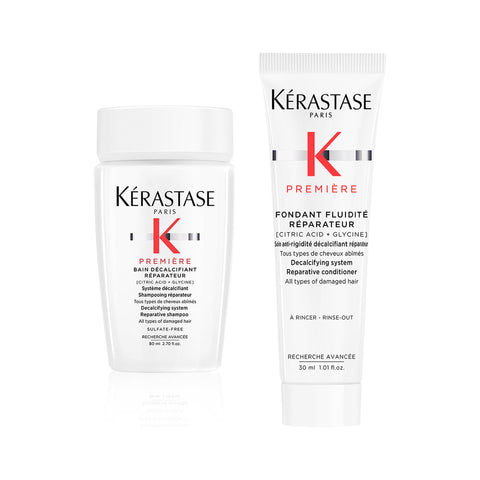
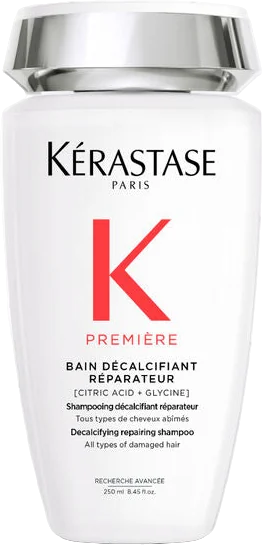
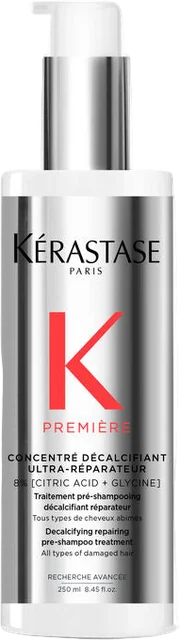
Our pick is the Kérastase Première range, which was built around calcium build-up. Première Bain Décalcifiant Réparateur ($60.48) uses citric acid to lift calcium as it cleanses, and is gentle enough to use every wash on damaged hair. For a stronger reset, Concentré Décalcifiant ($91.56) goes on damp hair for five minutes once a week before you shampoo. Our Première guide sets out the whole routine.
To be straight with you: Sebastian doesn't make a decalcifying shampoo, so there isn't a cheaper like-for-like here. If you're on a tighter budget, use the Première Bain once a week and your usual shampoo the rest of the time. For general product build-up, see our best clarifying shampoo guide.
Clarifying shampoo for hard water: how often?
- Most hair: a decalcifying wash once a week, or every second week.
- Bore water, very hard supply or lots of swimming: Première Bain every wash, Concentré weekly.
- Coloured hair: once a week, and a day or two before your colour appointment.
Always follow with a conditioner or mask. Deep cleansing is thorough and hair wants moisture back afterwards.
Hard water hair treatment: putting moisture back
Once the minerals are off, conditioning finally works. This is where you can choose by budget.
| Step | Sebastian | Kérastase |
|---|---|---|
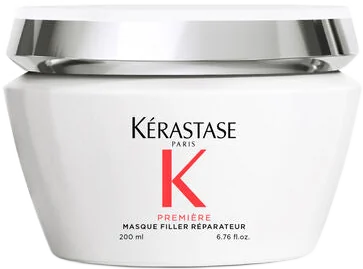
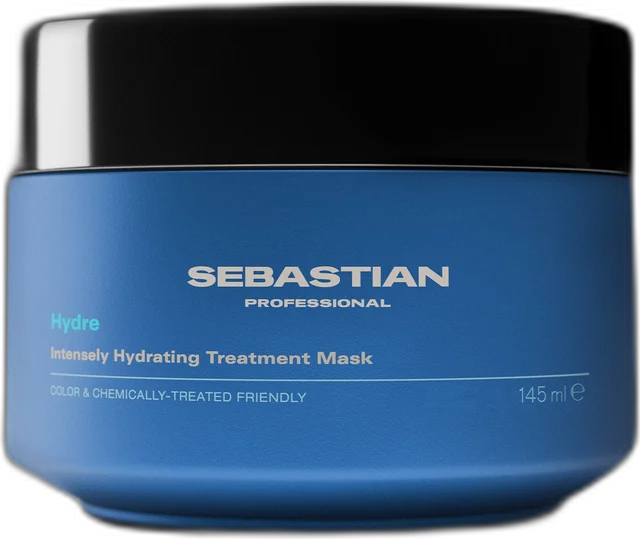
| Weekly mask | Hydre Treatment Mask $51.88 | Première Masque Filler $91.56 |
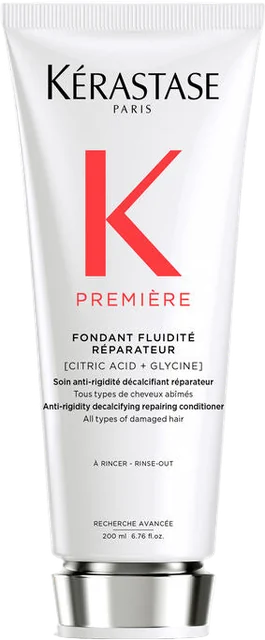
| Every-wash conditioner | Penetraitt Conditioner $50.12 | Première Fondant $70.56 |
| Shine on dry ends | Dark Oil $29.88 | Première Huile Gloss $64.50 |
Kérastase keeps everything in one acid-based routine that matches the decalcifying wash. Sebastian does the moisture and shine jobs well for less.
Clarify before your colour appointment
Mineral build-up can stop colour taking evenly and dulls the result. A decalcifying wash a day or two before your colour appointment helps the colour go on cleaner and last longer. Tell us you're on hard water and we'll tell you the timing.
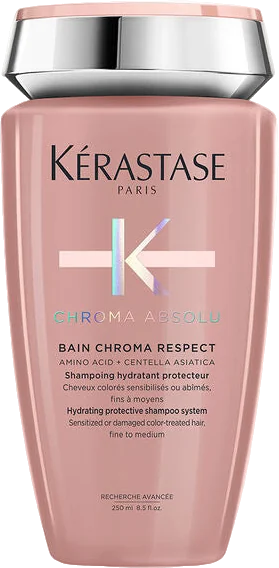
To protect colour between visits, Kérastase Chroma Absolu Bain Chroma Respect ($57.12) is a gentle colour wash for the days in between. More in how to make hair colour last longer. Blondes, see caring for bleached hair.
Does hard water cause hair loss?
Hard water isn't a recognised cause of hair loss. What it can do is make hair rougher and more prone to tangling and snapping, so you see more broken hairs in the brush. That breakage settles once the build-up is off and the hair is conditioned again. If you're losing hair from the root, or in patches, that's a question for your GP, not your water.
Hard water, curls and swimmers
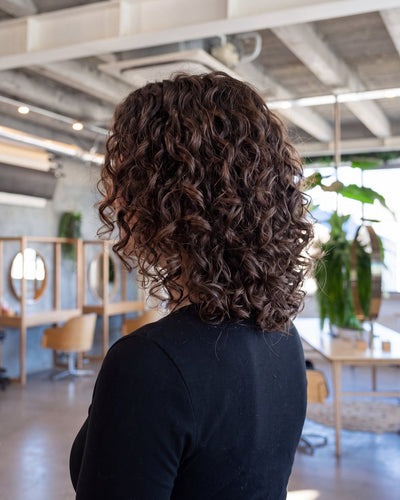
Curly and wavy hair shows mineral build-up quickly. Curls lose their spring and go frizzy and undefined. A decalcifying wash every week or two usually brings the definition back. If you swim in a pool, chlorine adds to the problem, so rinse with clean water straight after and use the decalcifying shampoo the same day.
Do shower filters help?
A filter can reduce some minerals and chlorine, depending on the type. They're worth a look if your water is very hard, but they don't replace a decalcifying wash, and the cartridges need changing on time to keep working.
Still dry and breaking?
If the ends stay rough after a few weeks of this, they're probably damaged rather than coated, and the only fix is a trim. Our guide to how often to cut your hair gives the timings, or book in at UKIYO and we'll have a look.
Questions we get asked
Does hard water damage hair?
It leaves a mineral film that makes hair dry, dull and more prone to tangling and breaking, and it fades colour faster. A decalcifying shampoo removes it.
What is the best shampoo for hard water?
A chelating or decalcifying shampoo. We use Kérastase Première Bain Décalcifiant Réparateur, with the Concentré Décalcifiant as a weekly pre-shampoo treatment.
Is clarifying shampoo the same as chelating shampoo?
Not quite. Clarifying shampoo removes oil and product build-up. Chelating shampoo binds and removes minerals from hard water. Some products do a bit of both.
How often should I use a hard water shampoo?
Once a week or every second week for most people. On bore water or a very hard supply, a gentle decalcifying shampoo can be used every wash.
Can hard water make blonde hair go brassy or green?
Yes. Mineral build-up makes blonde look dingy or brassy, and copper from old pipes can give a green cast. A decalcifying wash before toning helps.
Is Central Otago water hard?
It varies. Some town supplies are fine and bore water can be very hard. Scale on taps and kettles is a good sign, and your council or a test kit can confirm it.
Should I clarify before getting my hair coloured?
Yes, a day or two before. Removing mineral build-up helps colour take evenly and last longer.
Do shower filters work for hard water hair?
Some reduce minerals and chlorine, depending on the type. They can help on very hard water, but they don't replace a decalcifying shampoo.
Everything we sell is genuine salon stock, bought direct from the brands' New Zealand distributors and shipped from our salon on Helwick Street in Wānaka. Free NZ shipping over $75.
分享
UKIYO
Shop this article
The exact products our stylists recommend in this piece — add to cart and we'll ship NZ-wide.
11% off your first order with code WELCOME11. Free NZ shipping over $75.
阅读更多
Menopause Hair Loss and Perimenopause Hair Changes: A Stylist's Guide
Short answer: Falling oestrogen through perimenopause and menopause commonly makes hair finer, less dense at the part and crown, drier and more wiry, and slower to grow. A cut built for density, so...
Dry, Itchy Scalp: Why It Happens and What Helps (NZ)
Short answer: An itchy scalp is usually dryness, build-up or dandruff, and each needs something different. For a dry, tight scalp: turn the water down, use a gentle moisturising shampoo like Kérast...