

























Stylist pick · Mya Walker



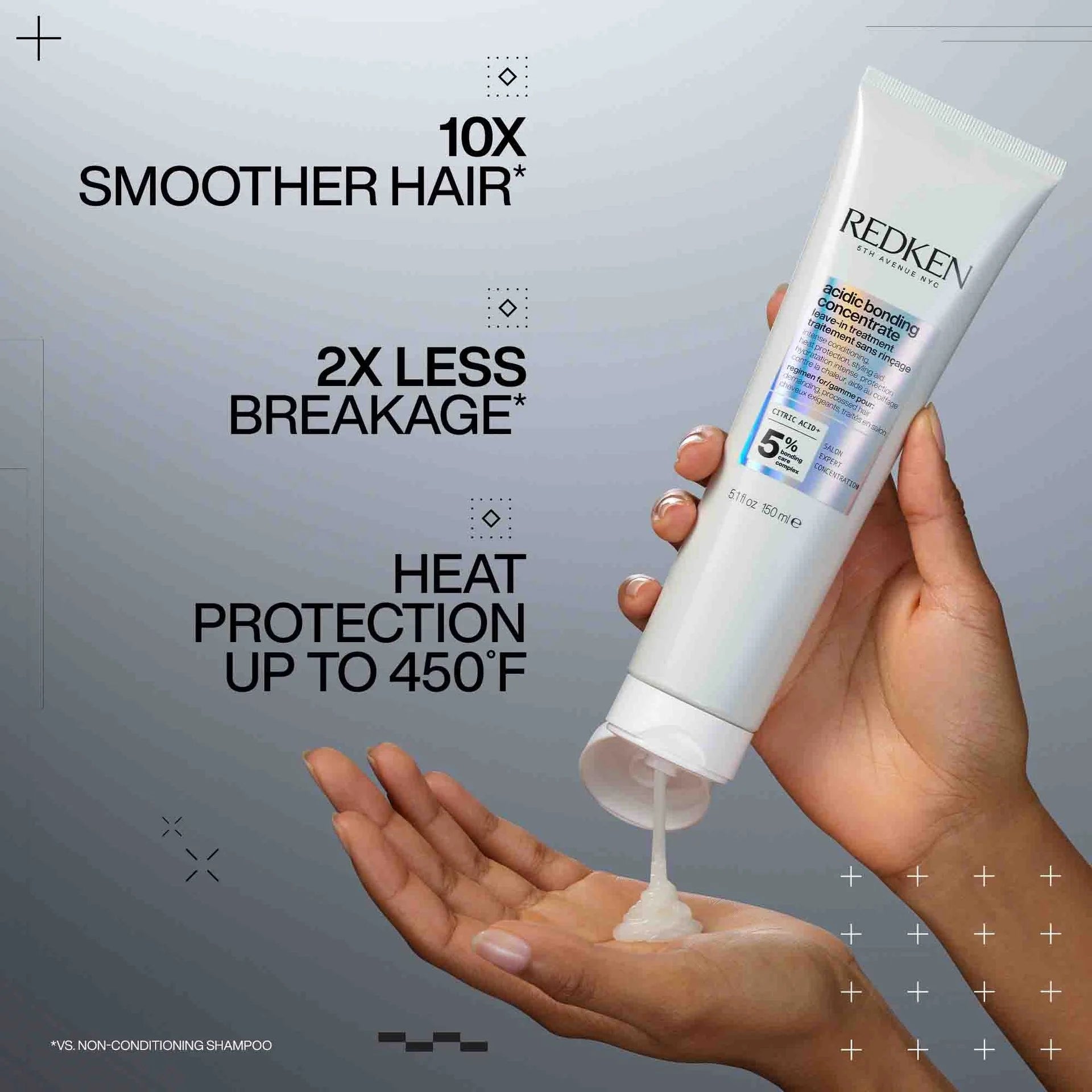



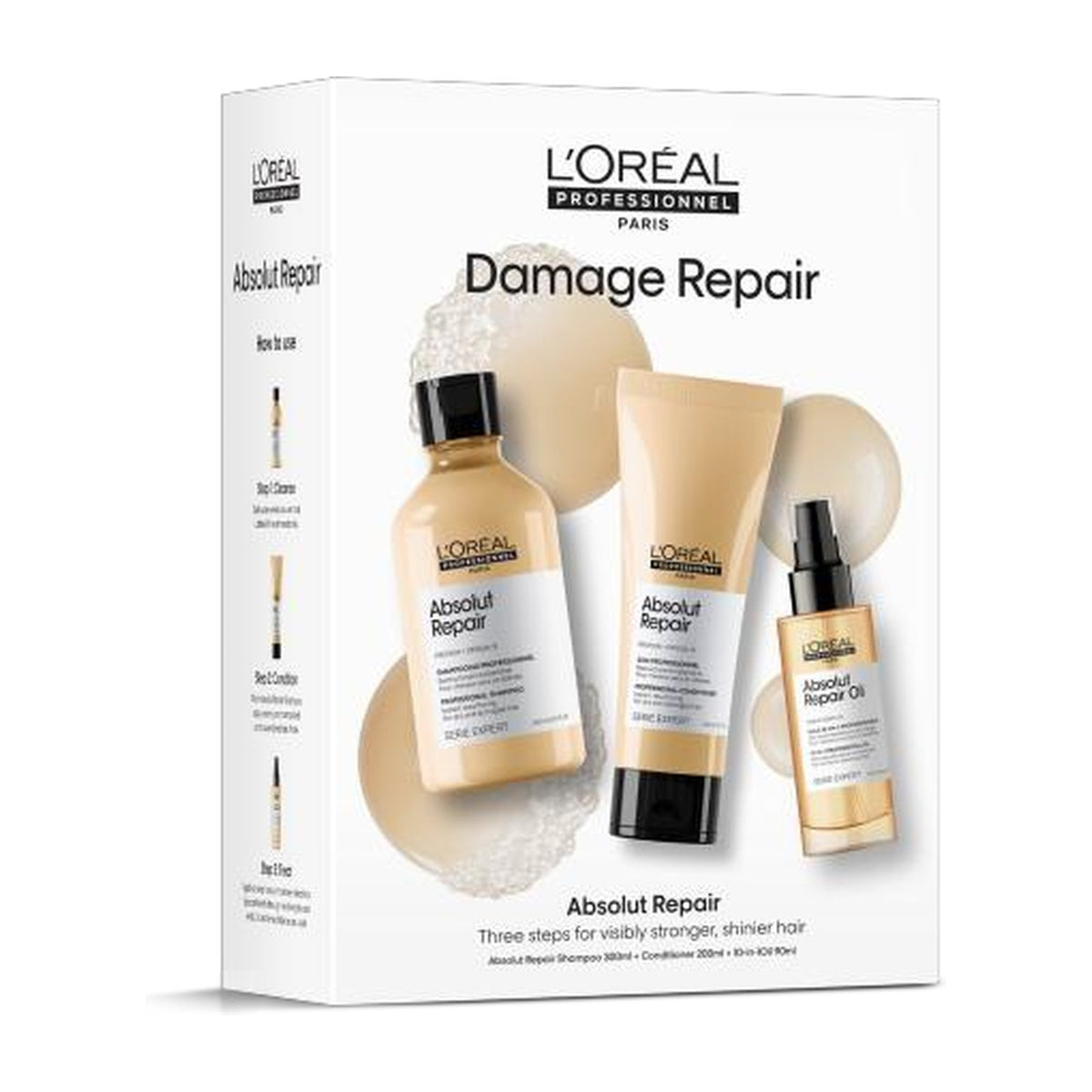
UKIYO Haircare
Find your service
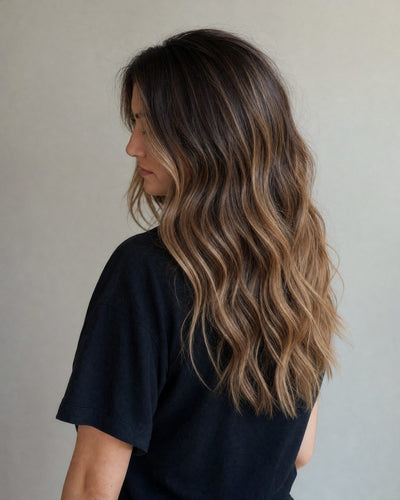 BalayageFrom $285
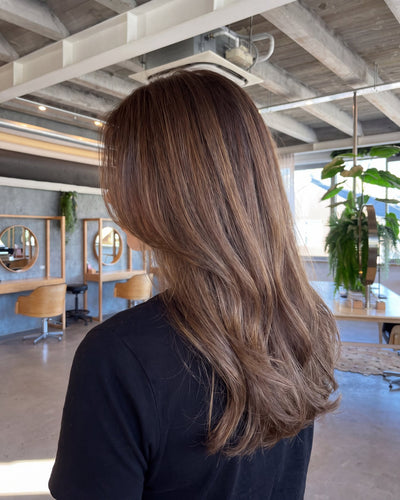 Global Colour & RootsFrom $115
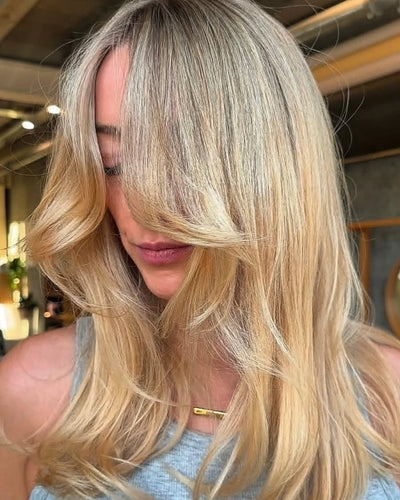 Highlights & FoilsFrom $188
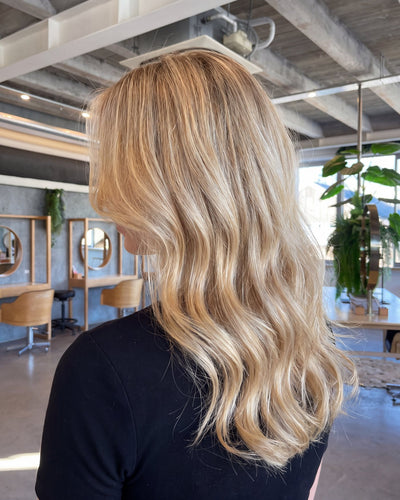 BlondesFrom $150
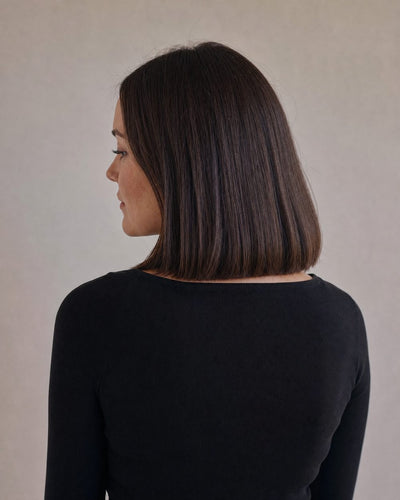 Cut & StyleFrom $55
 Curly HairFrom $75
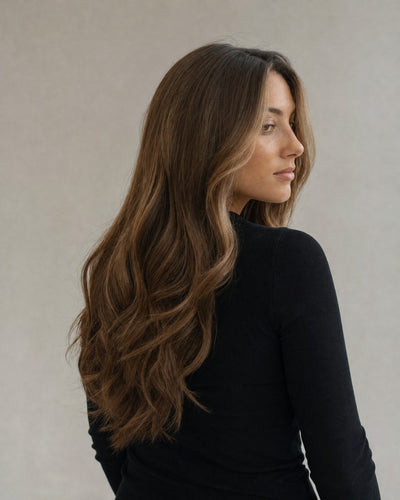 ExtensionsFree consultation
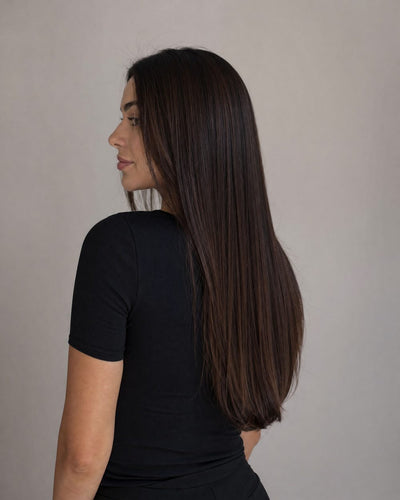 Smoothing & TreatmentsFrom $45
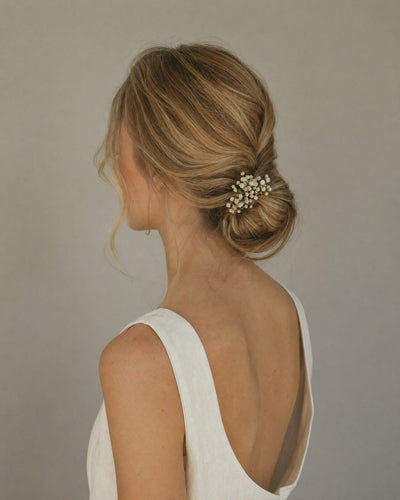 Bridal & OccasionsBridal hair from $185
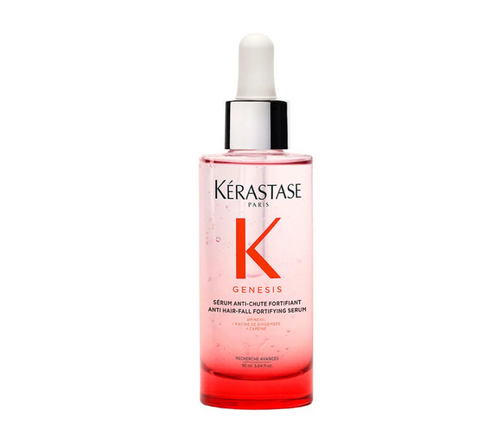 The UKIYO Journal
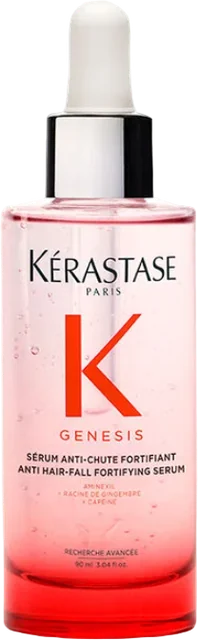
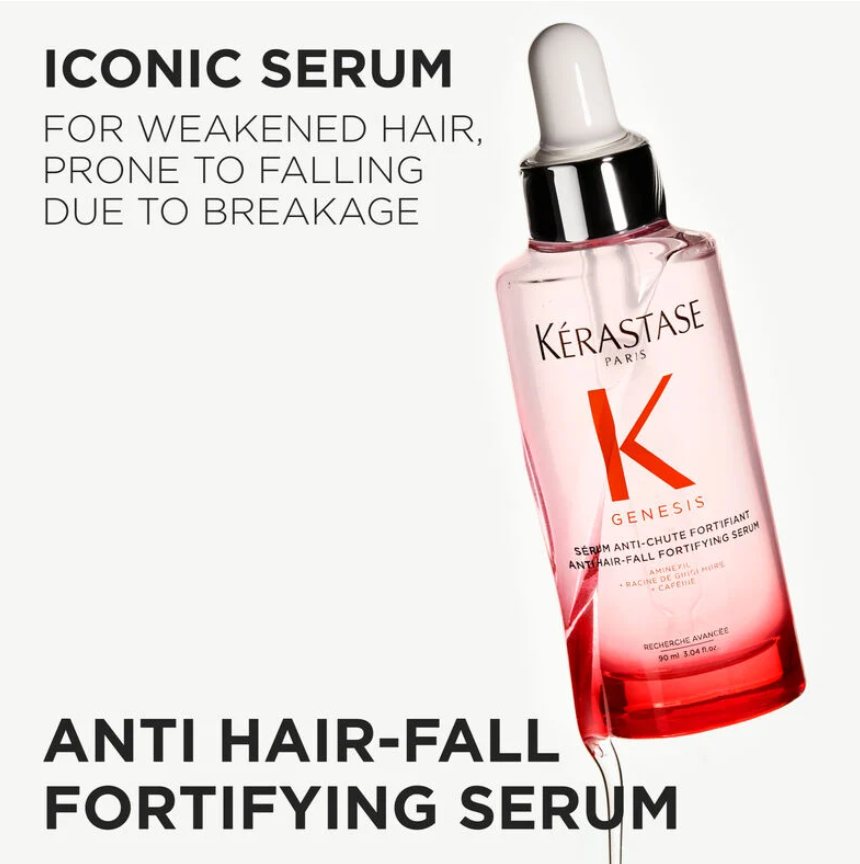
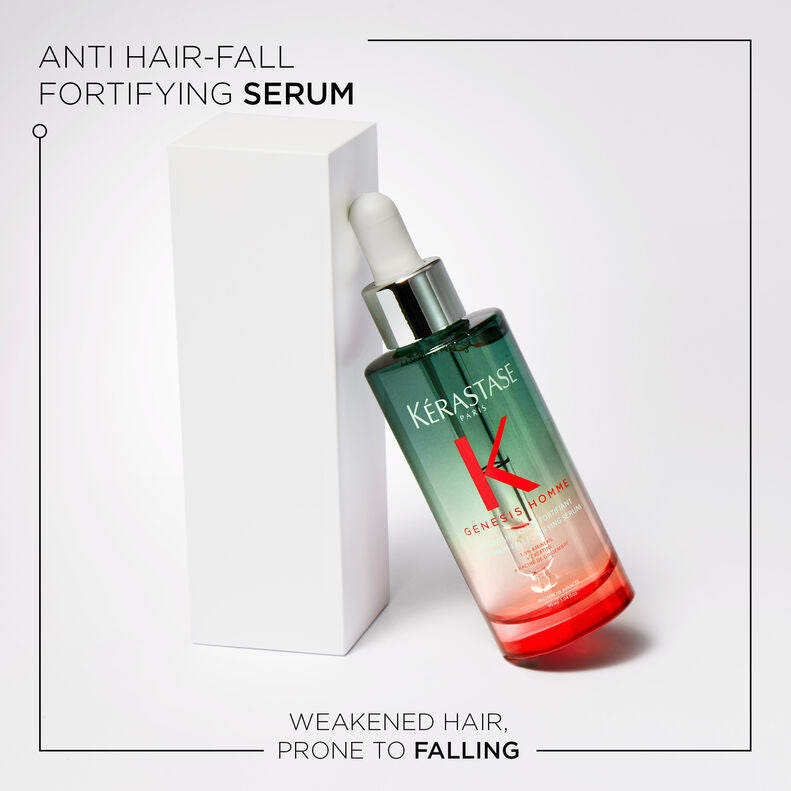
Kérastase Genesis Serum NZ: Price and Where to Buy
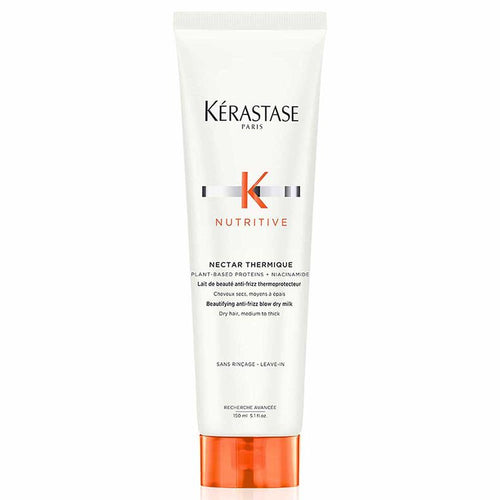 The UKIYO Journal
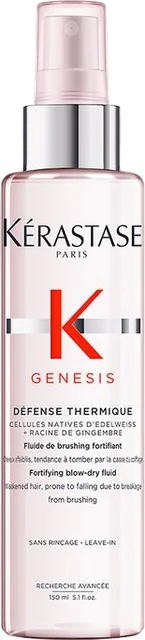
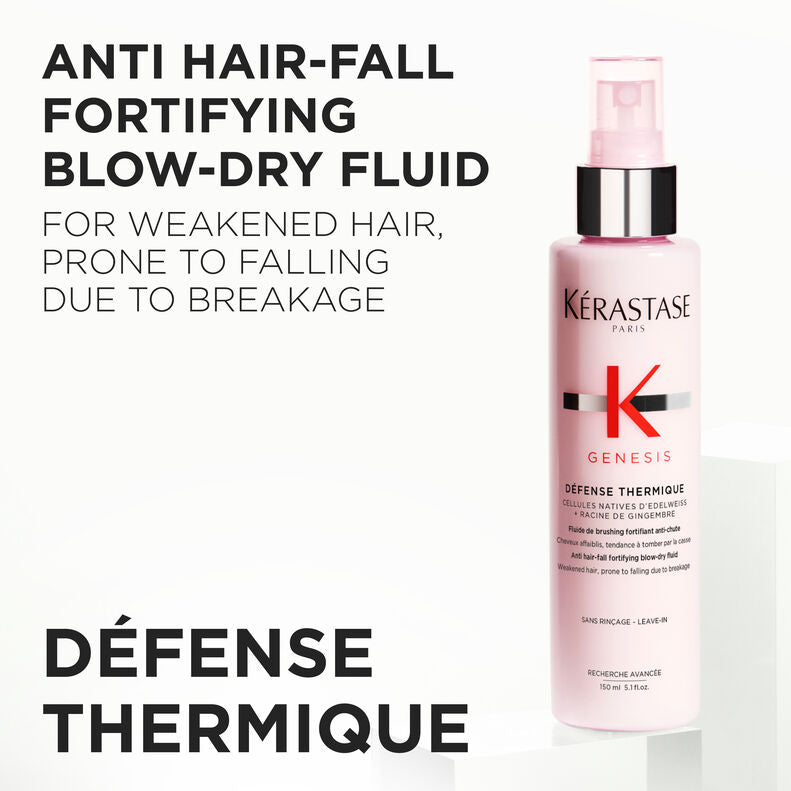
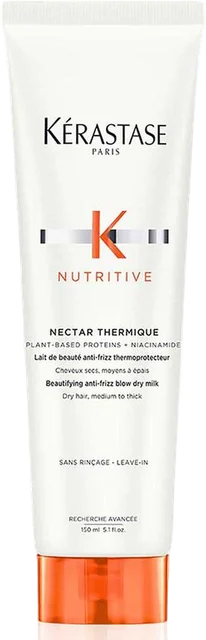
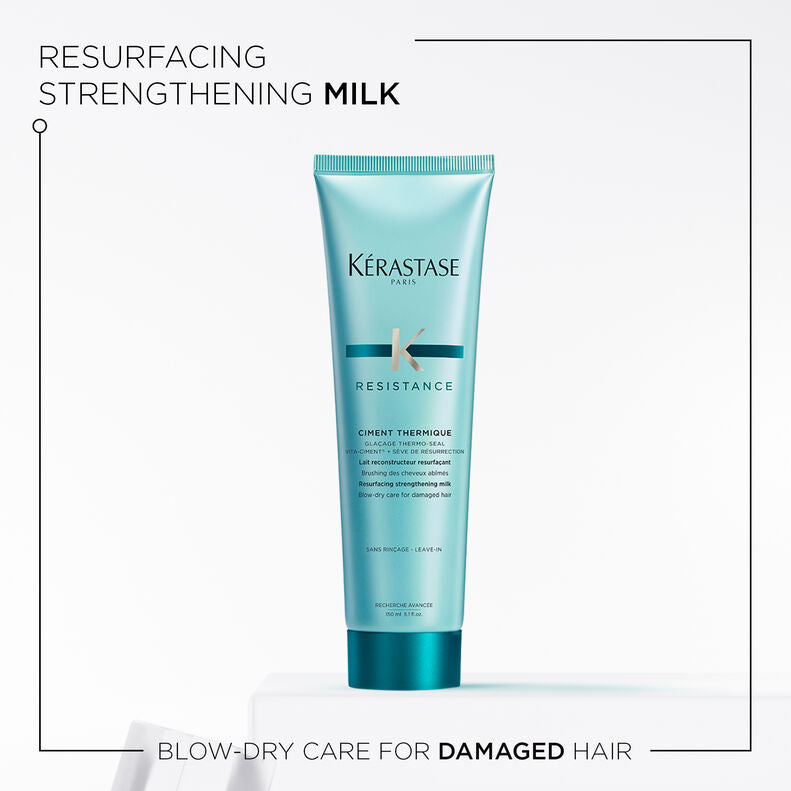
Kérastase Heat Protectant: Nectar, Ciment or Défense Thermique?
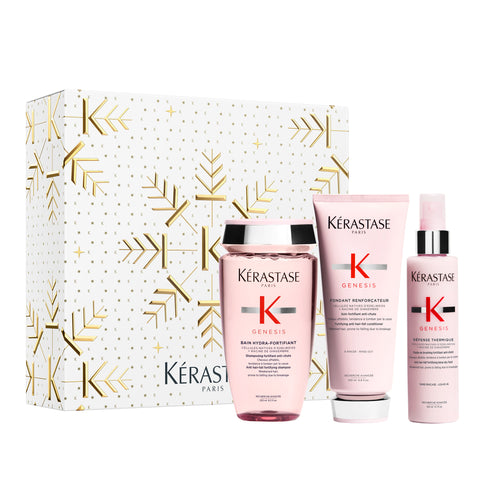 The UKIYO Journal
Christmas Hair Gift Ideas NZ 2026: Gift Packs You Can Pre-Order Now
 The UKIYO Journal
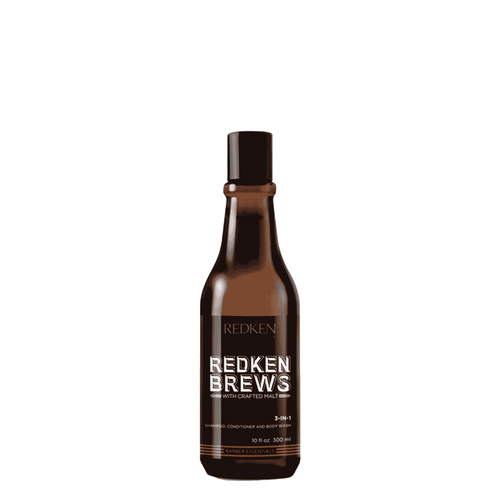
Redken Brews NZ: Men's Hair & Grooming, Sorted
 The UKIYO Journal
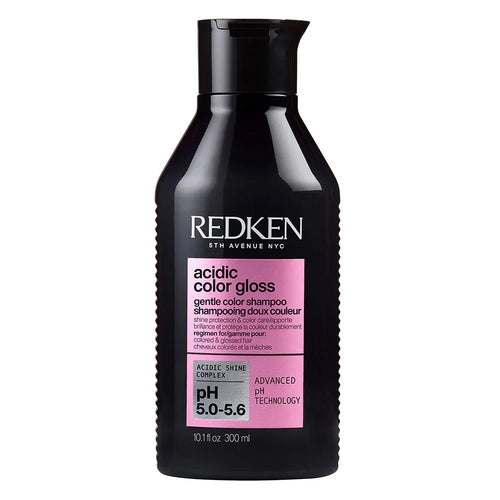
Glass Hair at Home NZ: Redken Acidic Color Gloss
 The UKIYO Journal
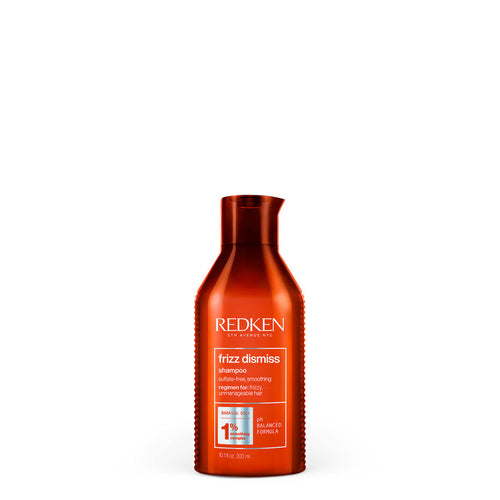
Redken Frizz Dismiss NZ: Tame Frizz & Humidity
Swipe for more
Swipe for more



Black Friday
30 prizes · free to enter
Plus: every $1 you spend online earns a bonus entry
Enter free · Pop in your email · Draw 30 Nov
You're in.
All optional. Your entry already counts.
Plus: every $1 you spend online earns a bonus entry. Shop now
The draw is 30 November. Winners are contacted by email.
Preview test mode: nothing was sent to Klaviyo.
Plus: every $1 you spend online earns a bonus entry. Shop now
Kérastase for Christmas
Spend $59 or more and pick your gift in the cart. The more you spend, the better the gift.
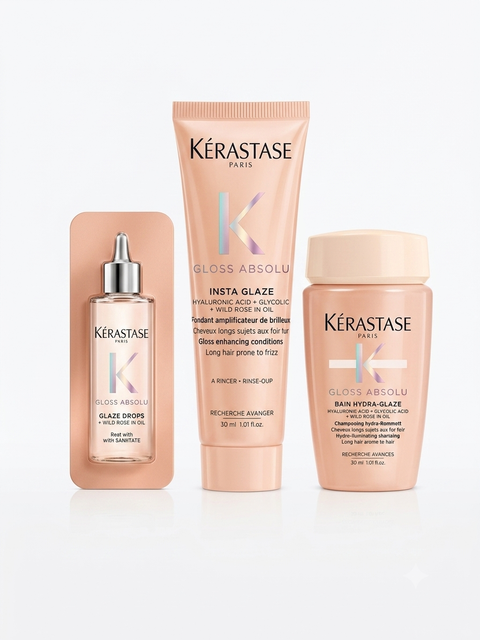
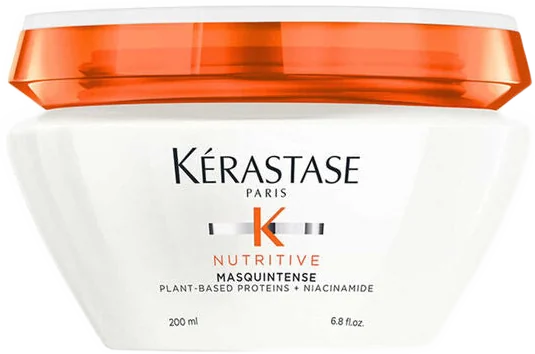
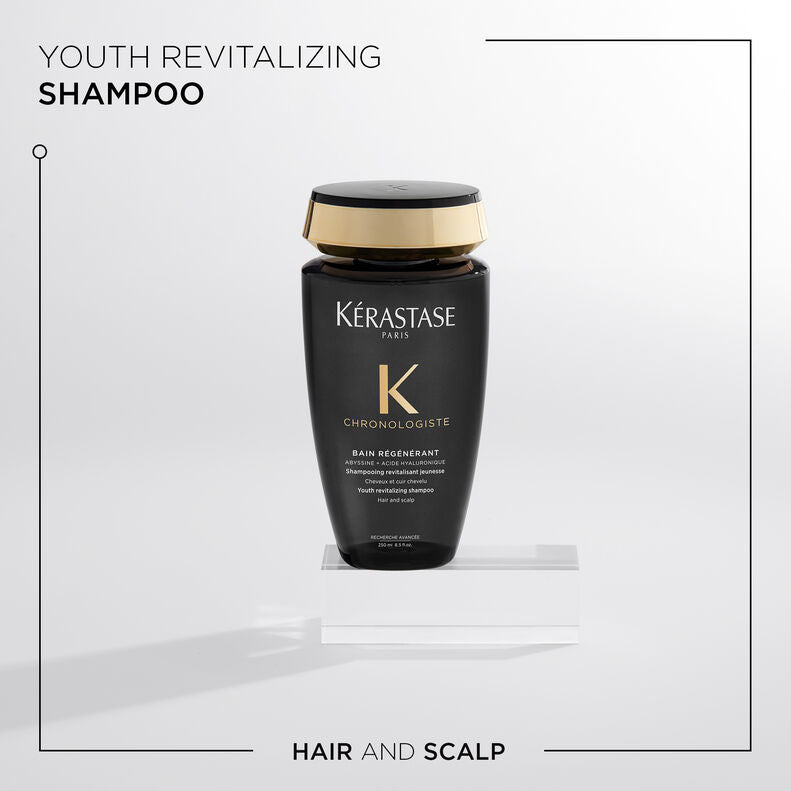
 A travel duo or trio: Gloss Absolu Trio, Première, Nutritive or Wella duo
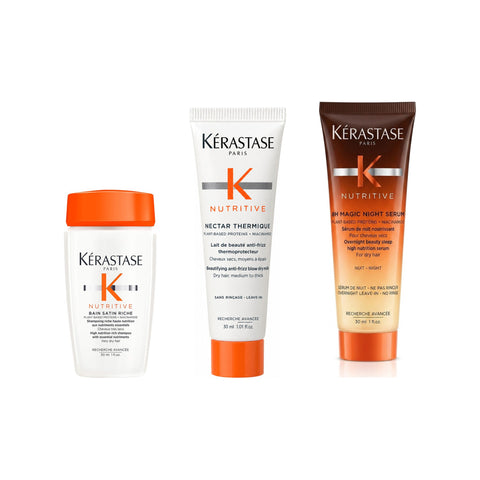
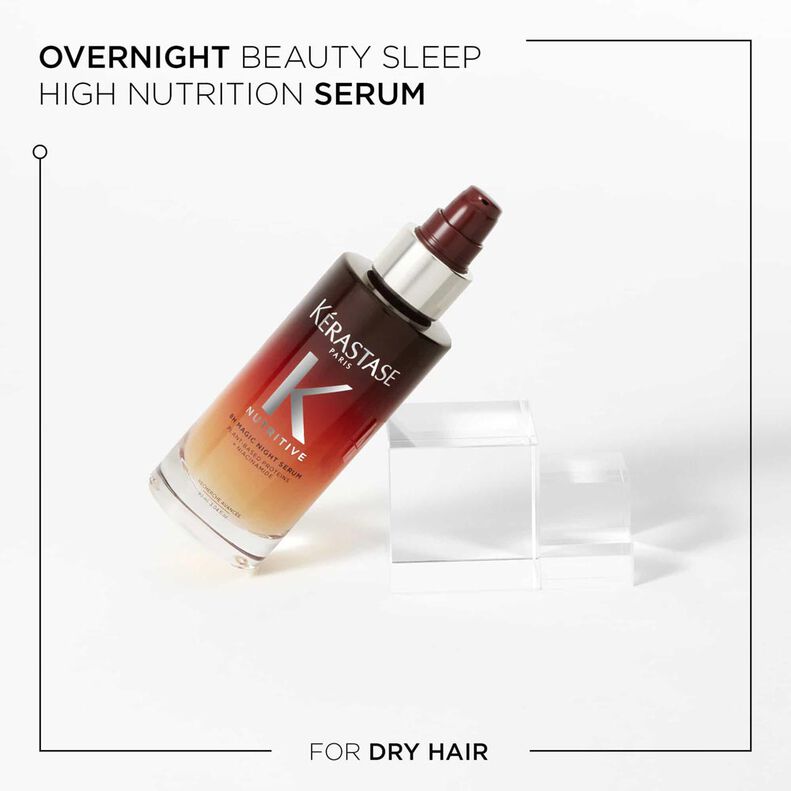
 Nutritive Trio, 8H Night Serum, Nutritive duo or Potion 9 duo
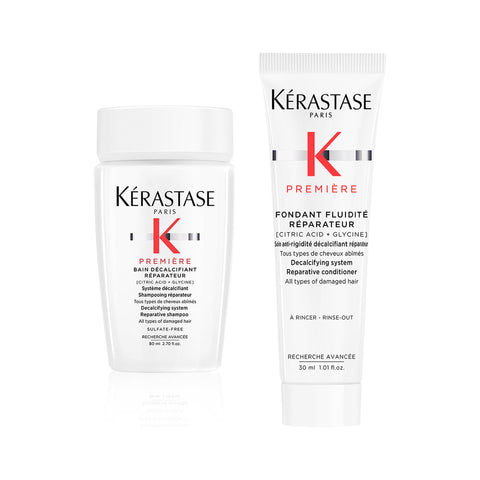
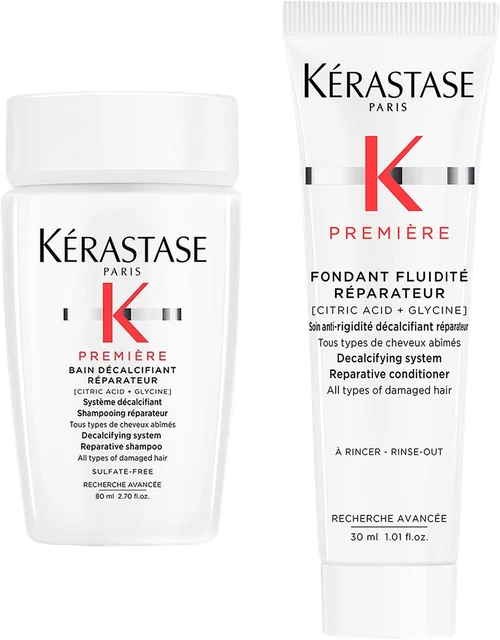
 Première Travel Duo 80ml + 30ml
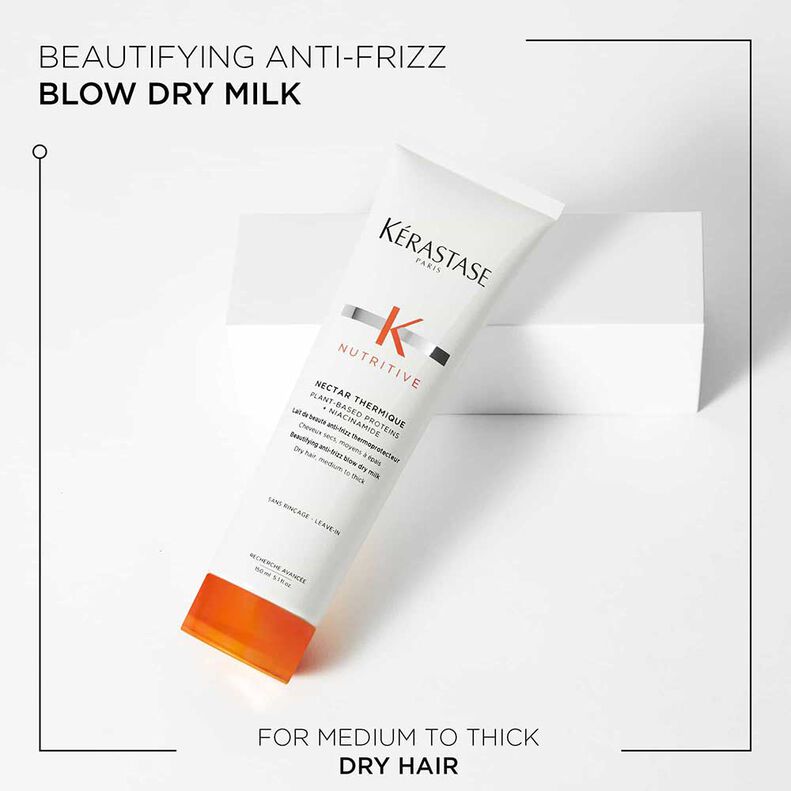
 Nutritive Travel Set, 3 x 30ml
Christmas at UKIYO
Free travel gift · orders $59+
Spend $59 or more and choose your gift in the cart. The more you spend, the better the gift.
A travel duo or trio: Gloss Absolu Trio, Première, Nutritive or Wella duoNutritive Trio, 8H Night Serum, Nutritive duo or Potion 9 duoPremière Travel Duo 80ml + 30mlNutritive Travel Set, 3 x 30mlFree NZ shipping over $75. Gifts while stocks last.