









UKIYO · Journal
Hair Porosity: Low vs High Porosity Hair, and How to Test Yours
Shop this article
The exact products our stylists recommend in this piece — genuine salon stock, shipped NZ-wide from Wānaka. Orders over $59 get a free Kérastase travel-size gift at checkout.

Sebastian Professional
Sebastian Professional Potion 9 Lite Conditioning & Styling Spray$71.00
$60.35


Free NZ shipping over $75.
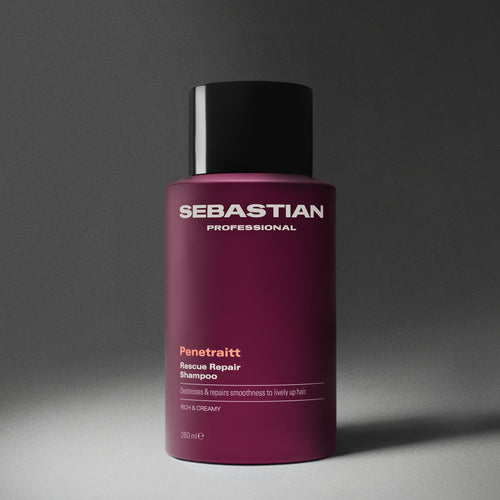
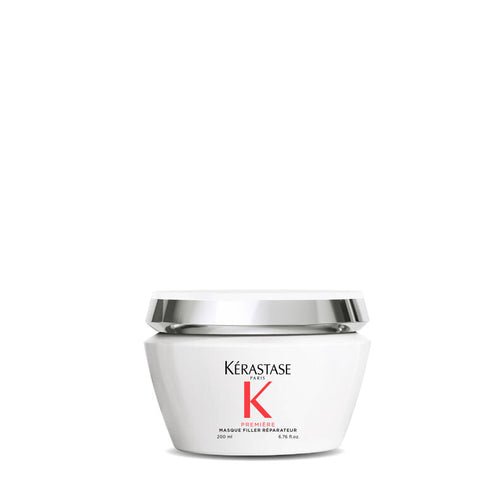
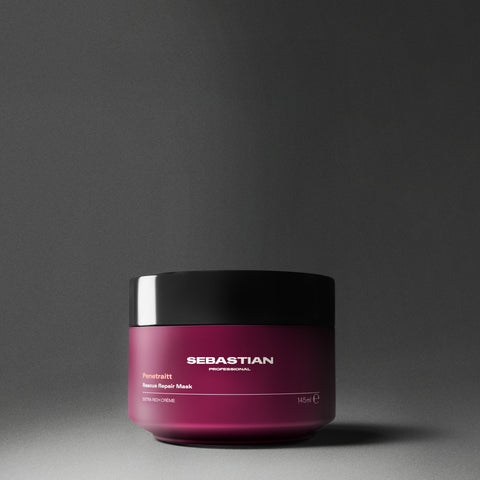
Short answer: Porosity is how easily your hair lets moisture in and out. Low porosity hair is tightly sealed, so products sit on top: use lighter ones and clarify now and then. High porosity hair is open, usually from colour, heat or sun, so it soaks things up and dries out fast: it needs repair and richer conditioning. For high porosity, Sebastian Penetraitt (from $50.12) and Kérastase Première (from $60.48) do the same job. Choose by budget.
Updated November 2026. Prices are our live online prices.
Porosity gets talked about a lot online, mostly by curly-hair people, and it's a useful idea even if your hair is poker straight. It explains why a friend's favourite mask turns your hair greasy, and why your ends drink a treatment while your roots ignore it.
What is hair porosity?
Each hair has an outer layer of overlapping scales called the cuticle. Porosity describes how tightly those scales sit.
- Low porosity: the scales lie flat and tight. Water and product struggle to get in, and once moisture is in, it stays.
- Medium porosity: the easy middle. Takes colour, holds a style, behaves with most products.
- High porosity: the scales are lifted or worn, with gaps. Moisture rushes in and leaks straight back out.
Low porosity is mostly something you're born with. High porosity is mostly something that happens to hair: lightening, regular hot tools, sun, swimming and age all lift the cuticle over time. Most heads aren't one thing all over. Low porosity roots with high porosity ends is very common, especially on coloured hair.
Hair porosity test: how to check yours
The test you'll see everywhere is the float test: drop a clean strand in a glass of water and see whether it sinks. We don't put much weight on it. Oil or product on the strand, and plain surface tension, change the result more than porosity does. These tell you more:
- The drying test. Low porosity hair takes ages to get wet in the shower and ages to dry. High porosity hair soaks through instantly and air-dries fast.
- The product test. If conditioner seems to sit on top and your hair feels coated, think low. If a mask disappears and your hair still feels dry an hour later, think high.
- The slide test. Hold a strand and run your fingers from the end up towards the root. Smooth means a flat cuticle. Bumpy or catchy means it's lifted.
- Your history. Bleached, regularly straightened or sun-baked hair is almost always higher porosity at the ends.
Or ask us. A stylist can feel it in about ten seconds at the basin.
Low porosity hair: signs and products
Signs: water beads on your hair before it soaks in, it takes forever to dry, products build up quickly, and heavy masks leave it limp or greasy. Low porosity hair is often shiny and healthy-looking, which is why people don't suspect it.
- Go lighter. Sprays, milks and light lotions rather than butters. Potion 9 Lite ($60.35) is a weightless leave-in mist. Kérastase Nutritive Lait Vital ($65.52) is a light conditioner that softens without weighing hair down.
- Use a little warmth. Put conditioner or a mask on warm, damp hair and leave it on under a warm towel. Heat helps the cuticle open a little.
- Clarify every couple of weeks. Build-up is the main problem with low porosity hair. Redken Hair Cleansing Cream ($43.89) once a fortnight resets it. See our clarifying shampoo guide.
- Oils for low porosity hair: keep them light and use very little. One pump of Sebastian Dark Oil ($29.88) on the ends, not a palmful of something heavy.
High porosity hair: signs and how to fix porous hair
Signs: your hair gets wet in seconds and dries fast, it frizzes as soon as the air is damp, colour fades quickly, ends tangle and feel rough, and it seems to drink conditioner without ever feeling soft.
Being straight with you: damaged cuticle doesn't fully reseal. What you can do is fill and smooth it so the hair behaves, protect it so it doesn't get worse, and trim the worst of it off over time.
- Swap to a repair shampoo and conditioner (see the table below).
- A weekly mask, left on for the full time it says.
- A leave-in every wash. Porous hair loses moisture fast, so something needs to stay on it. Our leave-in conditioner guide matches them to hair type.
- Heat protection, every time.
- Regular trims. The ends are the most porous part. How to fix split ends covers the in-between.
Two ways to fix it: Sebastian or Kérastase
| For | Sebastian (lower price) | Kérastase (premium) |
|---|---|---|
| High porosity: shampoo |
Penetraitt Rescue Repair Shampoo $50.12 |
Première Bain Décalcifiant Réparateur $60.48 |
| High porosity: conditioner |
Penetraitt Rescue Repair Conditioner $50.12 |
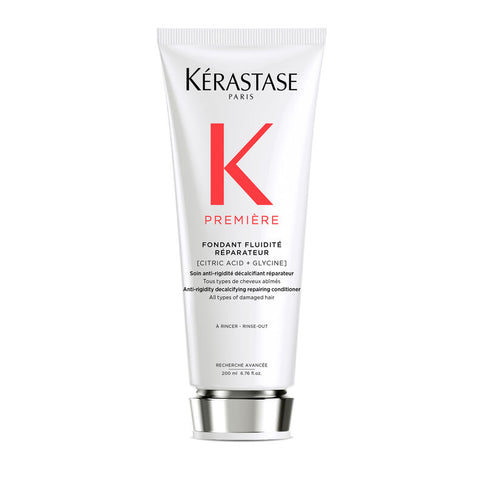
Première Fondant Fluidité Réparateur $70.56 |
| High porosity: weekly mask |
Penetraitt Rescue Repair Mask $51.88 |
Première Masque Filler Réparateur $91.56 |
| Dry but not damaged: mask |
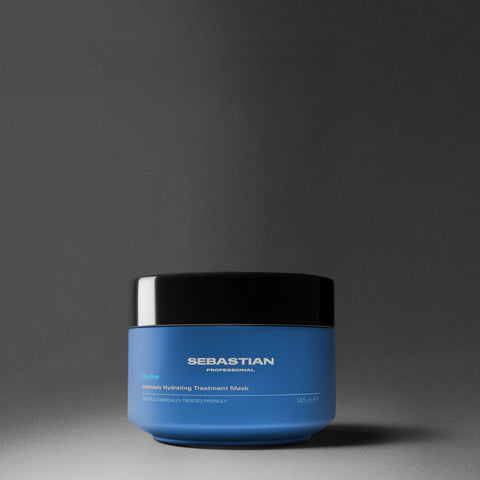
Hydre Treatment Mask $51.88 |
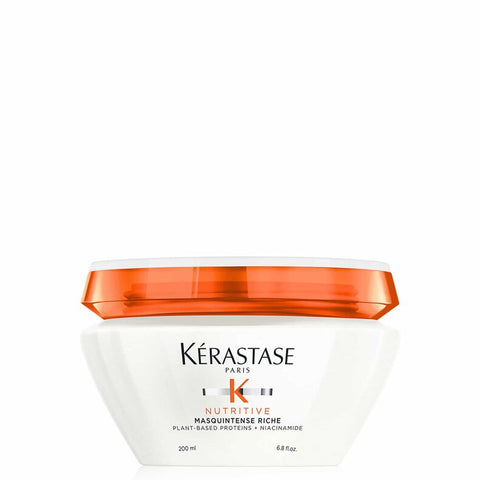
Nutritive Masquintense Riche $83.16 |
| Low porosity: light conditioning |
Potion 9 Lite (leave-in spray) $60.35 |
Nutritive Lait Vital (conditioner) $65.52 |
For high porosity hair, Penetraitt and Première are both repair ranges for damaged, over-processed hair. Penetraitt is the cheaper way in, and its range guide has the detail. Première costs more and has one thing Penetraitt doesn't: its shampoo is a decalcifying wash that takes off calcium build-up from hard water, which matters in parts of Central Otago (more on that here). The Première guide explains the order to use it in.
If your hair is dry and porous but hasn't been lightened or heat-damaged, you may not need a repair range at all. A moisture mask, Hydre or Masquintense Riche, is often enough. The full damaged hair edit is in the shop.
Medium porosity hair
If none of the signs above sound like you, you're probably medium. Keep doing what's working. The main thing is protecting it: heat protection, a mask now and then, and going easy on lightening so it stays medium.
Porosity and curly hair
Curls are often higher porosity at the ends just because of their shape: the cuticle lifts on every bend. That's part of why curly hair needs more conditioner. Our curly hair routine and hair types chart pick it up from there. If your hair is thick as well as porous, read thick and coarse hair. Want us to check yours? Book in at UKIYO and ask at the basin.
Questions we get asked
What is hair porosity?
How easily your hair takes in and holds moisture, which depends on how tightly the outer cuticle layer sits. Low porosity hair is tightly sealed, high porosity hair is lifted or worn.
How do I know if I have low or high porosity hair?
Watch how it behaves. Low porosity hair is slow to wet, slow to dry and builds up product. High porosity hair wets and dries fast, frizzes easily and drinks conditioner without feeling soft.
Is the float test accurate?
Not very. Oil, product and surface tension affect whether a hair floats more than porosity does. Drying time and how products sit on your hair tell you more.
What products are best for low porosity hair?
Light ones. Leave-in sprays and light conditioners such as Sebastian Potion 9 Lite or Kérastase Lait Vital, a little warmth when you condition, and a clarifying wash every couple of weeks.
What oils are good for low porosity hair?
Light oils used sparingly, one pump on the ends. Heavy oils and butters tend to sit on top of low porosity hair and make it greasy.
How do you fix high porosity hair?
You can't fully reseal damaged cuticle, but a repair shampoo and conditioner, a weekly mask, a leave-in, heat protection and regular trims make it behave much better.
Can hair porosity change?
Yes. Lightening, heat, sun and swimming raise porosity over time, which is why ends are often more porous than roots. New growth comes through at your natural porosity.
Everything we sell is genuine salon stock, bought direct from the brands' New Zealand distributors and shipped from our salon on Helwick Street in Wānaka. Free NZ shipping over $75.
Share
UKIYO
Shop this article
The exact products our stylists recommend in this piece — add to cart and we'll ship NZ-wide.
Sebastian Professional
Sebastian Professional Potion 9 Lite Conditioning & Styling Spray$71.00
$60.35
11% off your first order with code WELCOME11. Free NZ shipping over $75.
Read more
How to Grow Hair Faster: What Actually Helps (NZ)
Short answer: Hair grows about a centimetre a month, and no shampoo, serum or oil makes it grow meaningfully faster. What you can change is how much length you keep. Cut breakage with a strengtheni...
Hair Types Chart: What's My Hair Type? 1a to 4c, Explained
Short answer: Hair types run from 1 (straight) to 4 (coily), and the letters a to c go from looser to tighter within each number. Plenty of people have two or three types on one head. Your type tel...