








UKIYO · Journal
Thick, Coarse Hair: How to Make It Softer and Easier to Manage
By Codie Hair, Owner, UKIYO Wānaka
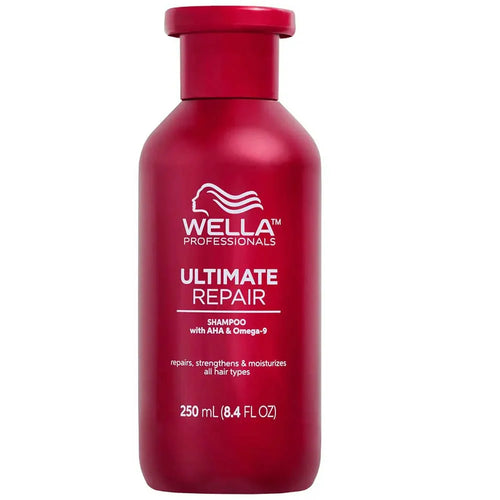
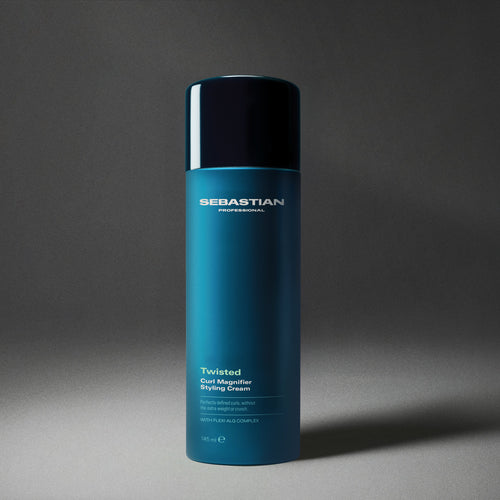
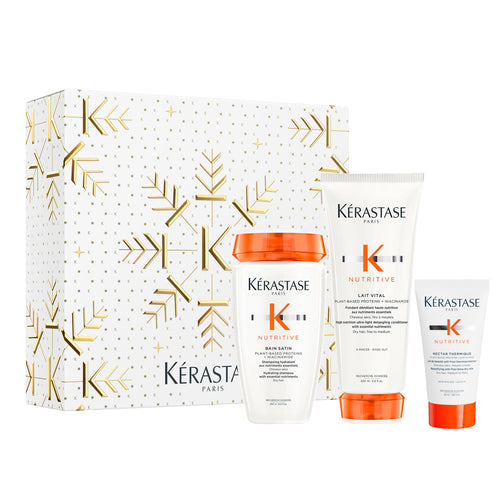
Shop this article
The exact products our stylists recommend in this piece — genuine salon stock, shipped NZ-wide from Wānaka. Orders over $59 get a free Kérastase travel-size gift at checkout.

Sebastian Professional
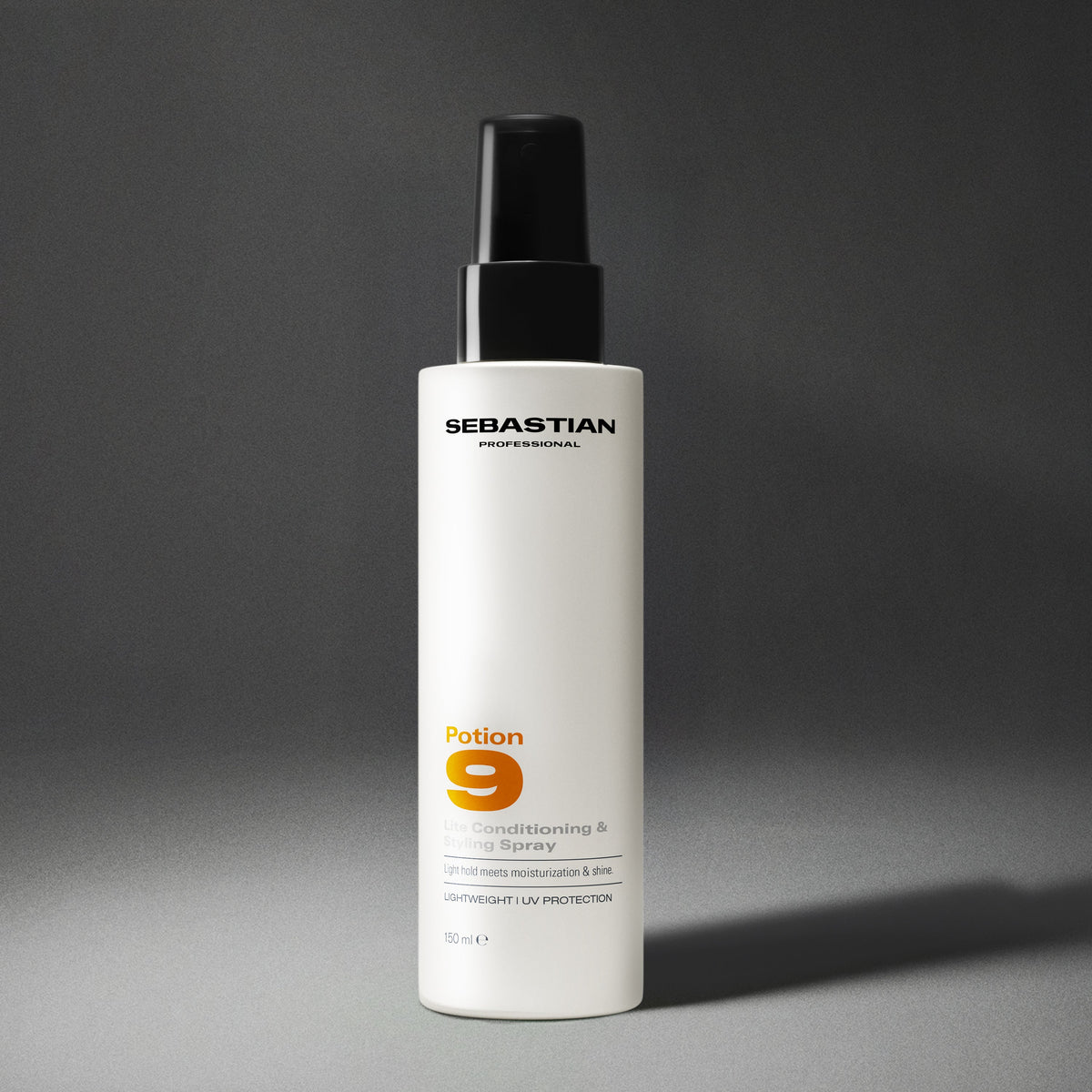
Sebastian Professional Potion 9 Leave-In Conditioner & Styling Cream$71.00
$60.35

Free NZ shipping over $75.
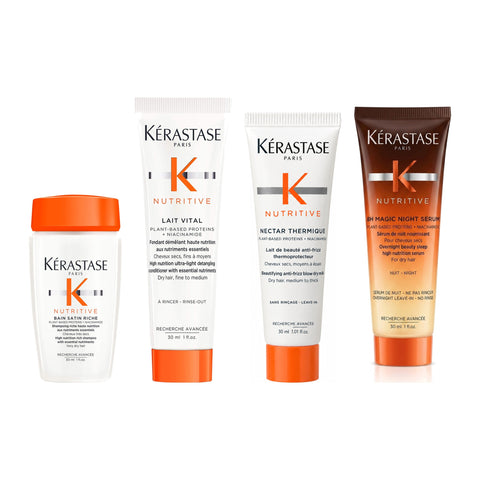
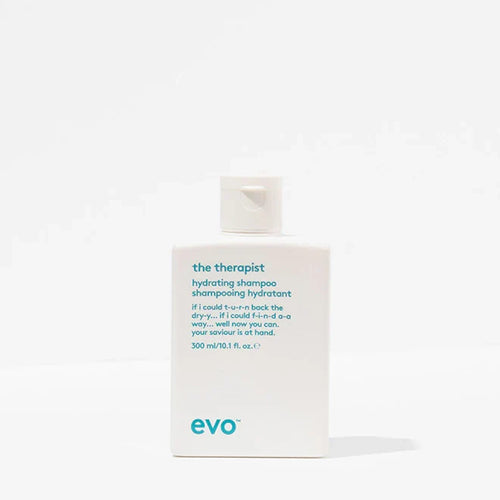
Short answer: Thick hair means you have a lot of hair. Coarse hair means each strand is wide. Plenty of people have both, and the routine is the same: a moisturising shampoo, a rich conditioner, a weekly mask and a leave-in on damp hair. Sebastian Hydre (shampoo $50.12) and Kérastase Nutritive Bain Satin Riche ($54.60) both do it. Hydre is the cheaper way in; Nutritive has the richer mask.
Updated November 2026. Prices are our live online prices.
People with thick hair don't get much sympathy. Then you hear the details. An hour to blow-dry. Two days to air-dry in a Wānaka winter. Hair ties that snap. Conditioner that never seems to reach the middle. And coarse hair on top of that feels rough and goes frizzy at the first sign of damp air.
Thick hair vs coarse hair: what's the difference?
They get used as if they mean the same thing, but they don't.
- Thick hair is about density: how many strands are on your head. Gather it into a ponytail. If it's wide and you can't see your scalp through your part, it's thick.
- Coarse hair is about texture: how wide each strand is. Roll a single hair between your fingers. If you can clearly feel it, like a cotton thread, it's coarse. If you can barely feel it, it's fine.
So you can have thick, fine hair (lots of thin strands, which tangles and goes flat) or thin, coarse hair (fewer strands, each one wiry). This guide is for thick hair, coarse hair, or both. Lots of fine strands is a different job, and our fine hair guide is the better read.
Why does coarse hair feel dry and rough?
A wide strand has more surface for moisture to escape from, and scalp oil covers less of it. So coarse hair shows dryness first: a rough feel, frizz and dull ends. It's often higher porosity too, especially if it's coloured or sun-bleached, and our hair porosity guide explains what that changes. Grey hair is often coarser and wirier than the colour it replaces, which is why a lot of clients notice a change in texture as they go grey. Grey blending covers the colour side.
Best shampoo and conditioner for thick hair
Thick or coarse hair wants moisture from the shampoo onwards. Skip volumising and clarifying shampoos for everyday washing. They're made for the opposite problem. Two ways to do it, with live prices:
| For | Sebastian (lower price) | Kérastase (premium) |
|---|---|---|
| Shampoo |
Hydre Hydrating Shampoo $50.12 |
Nutritive Bain Satin Riche $54.60 |
| Conditioner |
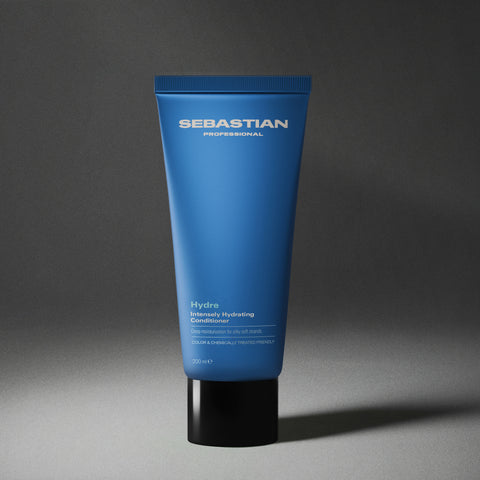
Hydre Intensely Hydrating Conditioner $50.12 |
Nutritive Lait Vital $65.52 |
| Weekly mask |
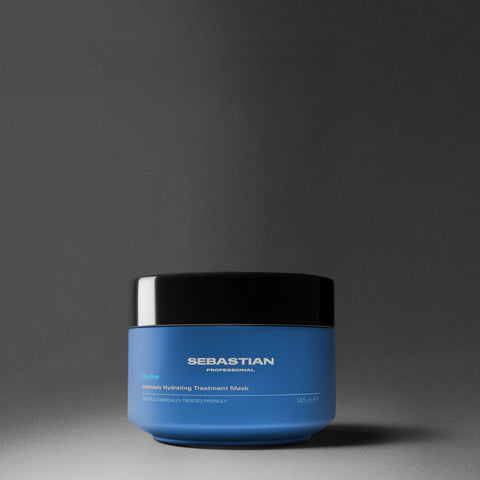
Hydre Treatment Mask $51.88 |
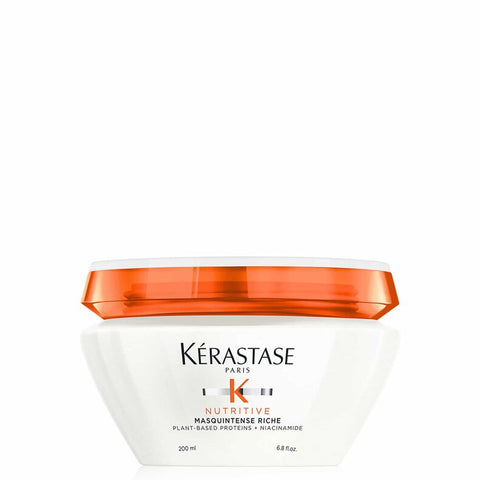
Nutritive Masquintense Riche $83.16 |
| Leave-in on damp hair |
Potion 9 Leave-In $60.35 |
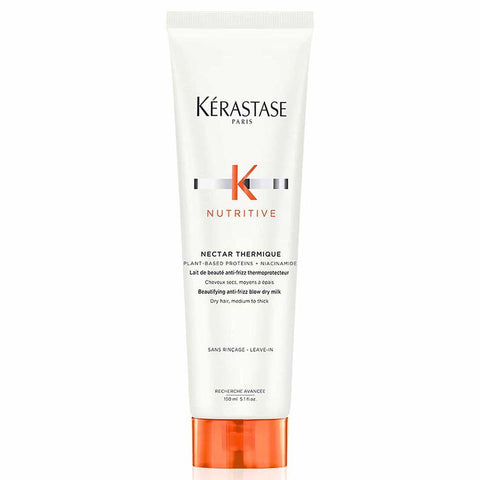
Nutritive Nectar Thermique $65.52 |
| Finishing oil |
Dark Oil Styling Oil $29.88 |
Elixir Ultime L'Huile Originale $105.00 |
Hydre is Sebastian's moisture range for dry, thirsty hair, and it's the cheaper way to set up a full routine. The conditioner detangles as well as softening, which matters when there's a lot of hair to get through. Our Hydre guide covers it in more detail.
Kérastase Nutritive costs more. The difference you'll feel is the mask: Kérastase makes Masquintense Riche specifically for dry, thick or coarse hair, and it's richer than Hydre's. If your hair is thick but not especially dry, Bain Satin (the lighter version) may suit better. Bain Satin vs Bain Satin Riche explains which. The whole range is in the Nutritive guide.
The leave-in step is where Sebastian is strongest. UKIYO is Wella New Zealand's No.1 Sebastian Professional retailer, and Potion 9 Leave-In is the one we use most on thick hair in the salon. Sebastian makes it for medium to thick hair that's dry, frizzy or hard to manage, and it gives soft hold as well as moisture.
How to make coarse hair softer
- Wash less. Two or three times a week is plenty for most thick hair.
- Condition in sections. Split it into two or four parts in the shower so conditioner gets to the middle, not just the outside.
- Leave the mask on. Five to ten minutes once a week, not a quick rinse.
- Rinse with cooler water at the end. It won't fix anything on its own, but very hot water dries hair out.
- Leave-in on damp hair, every wash. Then a drop of oil on dry ends: Dark Oil is one or two pumps, Elixir Ultime is the premium option. Our hair oil guide matches oils to hair types.
- Protect it from heat. Coarse hair takes a lot of heat to style, so it's the type that ends up most heat-damaged.
How to manage thick hair day to day
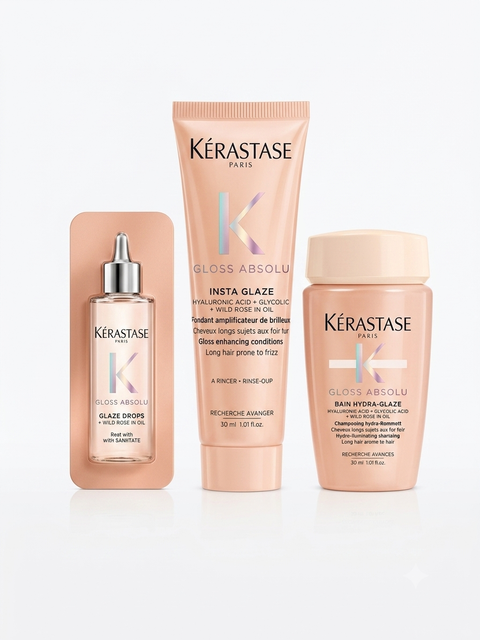
Most of the time it's the drying. Rough-dry to about 80 percent with your fingers and the nozzle off, then section and use a brush only for the last bit. You'll halve the time you spend with a round brush. If your thick hair frizzes in humidity, Kérastase's Gloss Absolu Frizz-Glaze Cream is made for thick, frizzy hair you blow-dry. Our frizzy hair guide has the rest of that routine.
Hair ties and clips matter more than you'd think. Thin elastics snap and cut into thick hair. A spiral tie or a large claw clip holds it without the dent and without breaking the strands where it's tied, which is where a lot of thick-hair breakage starts.
Tangles are the other one. Thick and coarse hair knots at the nape and underneath. Detangle in the shower with conditioner in and a wide-tooth comb. More in how to detangle hair. If your thick hair is also curly or wavy, start with the hair types chart.
Unmanageable hair: when it's the cut
Sometimes no product will fix it because the hair is simply heavy in the wrong places. A good cut for thick hair takes weight out from the inside, so it sits closer to the head without looking thinned at the ends. If your hair feels like a triangle by day three, that's the conversation to have. Book in at UKIYO on Helwick Street, and see the dry hair edit for everything above.
Questions we get asked
What's the difference between thick and coarse hair?
Thick hair means you have a lot of strands (density). Coarse hair means each strand is wide (texture). You can have one, the other or both.
What's the best shampoo for thick hair?
A moisturising one rather than a volumising or clarifying one. Sebastian Hydre Hydrating Shampoo is the lower-priced option and Kérastase Nutritive Bain Satin Riche is the premium one.
How do I make coarse hair softer?
Wash less, condition in sections, use a rich mask weekly, put a leave-in through damp hair every wash and finish with a drop of oil on the ends.
Is coarse hair the same as damaged hair?
No. Coarse describes the width of the strand, which you're born with. Damaged hair is hair whose surface has been worn by colour, heat or sun. Coarse hair can be perfectly healthy.
Why has my hair gone coarse?
Common reasons are going grey, hormonal changes, colour or heat damage, and sun. If it has changed along with a lot of shedding, see your GP.
Should thick hair use a rich conditioner?
Usually, if it's also coarse or dry. If your hair is thick but fine and goes flat easily, use a lighter conditioner and keep the rich mask for once a week.
How can I make thick hair dry faster?
Squeeze out water with a microfibre towel, rough-dry to about 80 percent with no nozzle, then section and brush only the last part. A leave-in helps water leave the hair more evenly.
Everything we sell is genuine salon stock, bought direct from the brands' New Zealand distributors and shipped from our salon on Helwick Street in Wānaka. Free NZ shipping over $75.
Share
UKIYO
Shop this article
The exact products our stylists recommend in this piece — add to cart and we'll ship NZ-wide.
Sebastian Professional
Sebastian Professional Potion 9 Leave-In Conditioner & Styling Cream$71.00
$60.35
11% off your first order with code WELCOME11. Free NZ shipping over $75.
Read more
Hair Types Chart: What's My Hair Type? 1a to 4c, Explained
Short answer: Hair types run from 1 (straight) to 4 (coily), and the letters a to c go from looser to tighter within each number. Plenty of people have two or three types on one head. Your type tel...
How to Detangle Hair: Tangles, Knots and the Best Detangling Spray
Short answer: Detangle hair while it's wet and full of conditioner or detangling spray, starting at the ends and working up in small sections. Use a wide-tooth comb or a wet-detangling brush, never...