
UKIYO · Journal
How to Protect Hair from Heat Damage: A Salon Stylist's Guide
Heat tools are not the enemy, but using them carelessly is. Here is exactly how a stylist protects hair from heat damage every single day.
Shop this article
The exact products our stylists recommend in this piece — genuine salon stock, shipped NZ-wide from Wānaka. Orders over $59 get a free Kérastase travel-size gift at checkout.
Free NZ shipping over $75.
Almost every client who walks in with breakage, dryness or dull ends has the same thing in common: heat. So the most useful skill we can teach is how to protect hair from heat damage without giving up your straightener or blow-dryer altogether.
You do not need to stop styling. You need to style smarter. Here is the full approach we use ourselves and teach every client.
What heat actually does to your hair
When a hot tool touches your hair, moisture inside the strand evaporates fast. That moisture loss weakens the protein structure, lifts the cuticle, and over time leads to brittleness, split ends and colour that fades faster than it should.
The damage is cumulative. One blow-dry will not ruin your hair. A year of daily straightening with no protection, on the highest setting, absolutely will. The good news is that the fix is simple and the difference is visible within weeks.
Step one: always use a heat protectant
This is non-negotiable. A heat protectant coats each strand, distributes heat more evenly and reduces moisture loss. A good one can cut heat damage by a meaningful margin, which is the difference between hair that holds its condition and hair that slowly degrades.
A few rules for using it well:
- Apply to damp hair before blow-drying, and again on dry hair before straightening or curling. Heat is applied twice, so protection should be too.
- Coat the lengths and ends thoroughly. The ends are the oldest, most fragile part of your hair and the most prone to heat damage.
- Match the format to your hair. Fine hair does best with a light spray that will not weigh it down. Thick or coarse hair benefits from a richer cream or serum.
We stock heat protection across our haircare collection, and ghd's own Bodyguard heat protect spray sits in the ghd Bodyguard range.
Step two: turn the temperature down
Most people style far hotter than they need to. A modern professional straightener does not need to be on its maximum setting to work.
Professional ghd straighteners hold a steady, optimised temperature of 185 degrees, which is hot enough to style effectively while staying kinder to the hair than the 220 degrees plus that many older or cheaper tools reach. If your tool has adjustable heat, fine and coloured hair should stay on the lower settings. Only very thick, coarse hair needs the higher end.
The right tool genuinely matters here. Our ghd hair straighteners collection covers the range, and the ghd Chronos range adjusts heat to your hair so you style in fewer passes, which means less total heat exposure.
Step three: style in fewer passes
Every pass of a straightener is another dose of heat. Two slow, deliberate passes through a clean section will always beat ten quick, anxious ones. Make sure your hair is fully dry before you use a straightener, work in manageable sections, and resist the urge to keep going over the same piece.
Step four: dry hair properly before you style
Wet hair is at its most vulnerable. Going straight in with a straightener on damp hair effectively boils the water inside the strand, which causes serious damage. Always blow-dry hair fully, with protection, before you reach for a straightener or wand.
When blow-drying, keep the dryer moving, hold it at least 15 centimetres from the hair, and finish each section with cool air to set the style and close the cuticle.
Step five: repair and hydrate alongside
Protection prevents new damage, but heat-stressed hair also needs repair and moisture put back in. A weekly mask from our masks and treatments collection restores hydration, and a bond-repair or strengthening treatment helps rebuild hair that has already taken a beating. For hair that is already showing damage, our damaged hair collection covers the repair side.
Give your hair heat-free days
Finally, the simplest protection of all is a break. Even one or two heat-free days a week makes a real difference over a year. Air-dry when you can, learn a couple of no-heat styles, and let your hair recover.
If your hair is already showing signs of heat damage, our stylists at UKIYO in Wanaka can assess the condition and build you a recovery plan. Call 03 443 1040 or book a consultation online.
The stylist's summary
Protecting hair from heat damage comes down to five habits: always use a heat protectant, turn the temperature down, style in fewer passes, never apply direct heat to wet hair, and repair alongside with masks and treatments. Add a heat-free day or two and your hair will hold its condition, shine and colour far longer.
FAQ
Does heat protectant really work? Yes. A good heat protectant noticeably reduces moisture loss and heat damage by coating the strand and distributing heat. It does not make hair indestructible, but used with sensible temperatures it makes a clear difference.
What temperature should I straighten my hair at? Fine or coloured hair should stay around 150 to 180 degrees, while thick or coarse hair can handle up to about 200. Professional ghd tools hold a steady 185 degrees, which suits most hair.
Can heat damage be reversed? Heat damage cannot be fully undone, the only true fix is growing it out or trimming. But masks, bond treatments and good care dramatically improve how damaged hair looks and feels in the meantime.
Is air-drying better than blow-drying? Air-drying avoids heat, but very wet hair is fragile, so handle it gently. A controlled blow-dry with protection is often kinder than leaving soaking hair to be roughed up. The best approach is mixing both.
Share
UKIYO
Shop this article
The exact products our stylists recommend in this piece — add to cart and we'll ship NZ-wide.
11% off your first order with code WELCOME11. Free NZ shipping over $75.
Read more
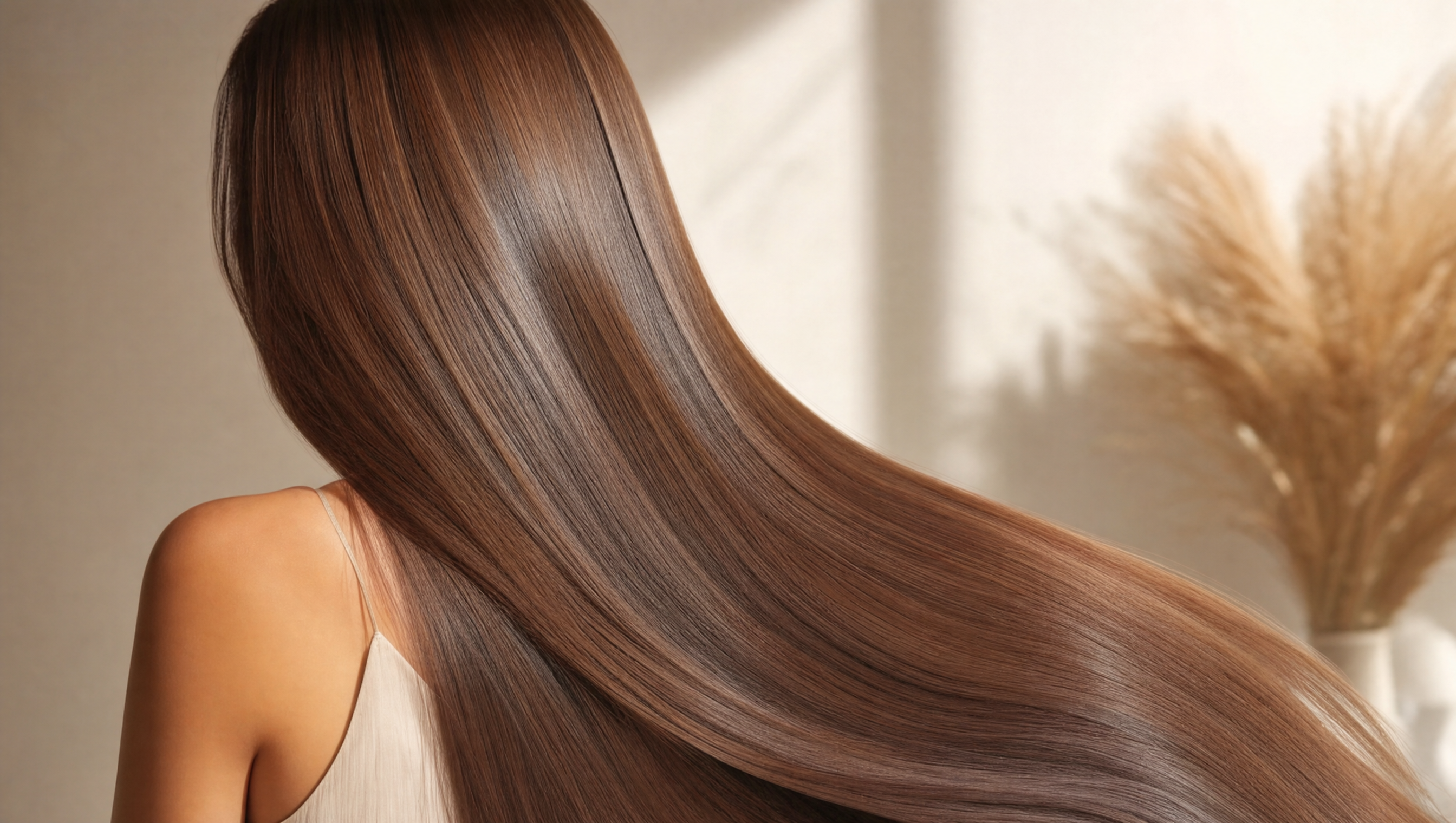
How to Get Rid of Frizzy Hair: A Stylist's Guide for NZ Conditions
Frizz is not bad luck, it is a sign of what your hair needs. Here is how a salon stylist gets frizzy hair smooth and keeps it that way.
ghd Chronos vs Platinum+ vs Gold: Which Straightener Should You Buy?
Three excellent straighteners, three different shoppers. A working stylist breaks down ghd Chronos, Platinum+ and Gold so you buy the right one.