
UKIYO · Journal
How to Fix Dry Hair Ends Without Cutting Your Length
You cannot fully heal a split end, but you can rescue dry ends, prevent new damage and grow length you are proud of. Here is how.
If you are trying to work out how to fix dry hair ends without sacrificing the length you have grown, you are asking exactly the right question. The ends of your hair are the oldest, most worn part of every strand. They have survived years of washing, brushing, heat and weather, so it is no surprise they are the first to go dry and rough.
Here is the honest stylist's view, including the part most articles skip: what you can genuinely fix, and what you can only improve.
The honest truth about split ends
Let us be straight about one thing. A split end, where the strand has physically frayed in two, cannot be permanently mended. No product fuses hair back together for good. Anything that claims to "seal" a split end is smoothing it temporarily so it looks and feels better, which is genuinely useful, but it is not a cure.
What you can do is significant:
- Rescue dry, rough but intact ends so they look and feel healthy again
- Smooth and disguise existing splits so they are far less visible
- Prevent new dryness and breakage so your length keeps improving
That combination is how you grow long, healthy-looking hair without a drastic cut.
Step one: deep moisture, regularly
Dry ends are thirsty ends. The single most effective thing you can do is put moisture back in consistently.
A weekly hydrating mask is the cornerstone. Work it through the mid-lengths and ends, leave it the full recommended time, and rinse with cool water. Our masks and treatments collection has rich options that genuinely transform how dry ends feel. For hair that is dry throughout, the dry hair collection covers shampoos and conditioners formulated to stop the stripping that causes dryness in the first place.
For a deeper boost, warm the mask slightly or wrap your hair in a warm towel while it works. Gentle heat helps the conditioning ingredients penetrate.
Step two: leave-in conditioner and oil for daily care
A rinse-out conditioner does a lot, but dry ends benefit from a longer-acting layer of care. A leave-in conditioner stays on the hair, holding moisture through the day. Apply it to damp ends after washing.
Then seal with a hair oil. A few drops of a quality oil on damp or dry ends smooths the cuticle, locks moisture in and instantly improves how the ends look. This is the step that visually rescues rough, dull ends. Our hair oils collection has lightweight options for fine hair and richer ones for coarse or very dry hair.
Step three: repair the structure with bond treatments
If your ends are not just dry but genuinely damaged, from bleach, colour or years of heat, moisture alone is not enough. You also need to strengthen the internal structure of the hair.
Bond-repair and strengthening treatments work inside the strand to reinforce the links that damage has weakened. Used over several weeks, they make hair more elastic, less prone to snapping, and better able to hold moisture. Our damaged hair collection covers these repair-focused ranges, including bond-building systems.
Step four: stop the damage at the source
Fixing dry ends is pointless if you keep creating new ones. The habits that protect your ends:
- Always use heat protection before blow-drying or straightening, and concentrate it on the ends.
- Turn the heat down and style in fewer passes.
- Be gentle when wet. Hair is most fragile wet. Detangle from the ends upwards with a wide-tooth comb, never rip a brush from the roots.
- Stop rough towel-drying. Squeeze with a microfibre towel instead of rubbing.
- Protect from sun and chlorine. UV and pool water are hard on already-dry ends. Use a leave-in with UV protection in summer and rinse hair after swimming.
- Use a silk pillowcase to reduce overnight friction.
Step five: accept a small trim is sometimes the kindest fix
Here is the part we owe you as honest stylists. If your ends are badly split, a small, regular trim is the healthiest thing you can do, and it does not have to cost you length.
A "dusting", taking just the very tips, removes the worst splits before they travel up the strand. Splits left alone work their way upward and you end up losing more length later. A light trim every few months keeps the ends strong so the rest of your hair can keep growing. You can grow your hair and trim it. The two are not in conflict.
If you are not sure whether your ends need rescuing or a genuine tidy-up, our stylists at UKIYO in Wanaka will give you an honest assessment. Call 03 443 1040 or book a consultation online.
The stylist's summary
You fix dry hair ends by flooding them with moisture through weekly masks, leave-in conditioner and oil, strengthening the structure with bond-repair treatments if there is real damage, and protecting them from heat, friction and sun. Add a light trim when splits appear, and you will keep your length while your ends look and feel genuinely healthy.
FAQ
Can you really repair split ends without cutting? You cannot permanently fuse a split end back together, but you can smooth and disguise it and prevent new ones. A light trim is the only true removal, but the rest of your hair can stay long.
What is the best product for dry ends? A weekly hydrating mask combined with a leave-in conditioner and a finishing oil is the most effective everyday trio. If the ends are damaged as well as dry, add a bond-repair treatment.
Why do my ends get dry so quickly? The ends are the oldest part of your hair, with the most worn cuticle. Heat, colour, sun, friction and infrequent conditioning all dry them faster. They need more care than your roots.
How often should I trim to keep ends healthy? Most hair benefits from a light trim every eight to twelve weeks. If you are actively trying to grow length, a small dusting of just the tips keeps splits in check without sacrificing growth.
Read more
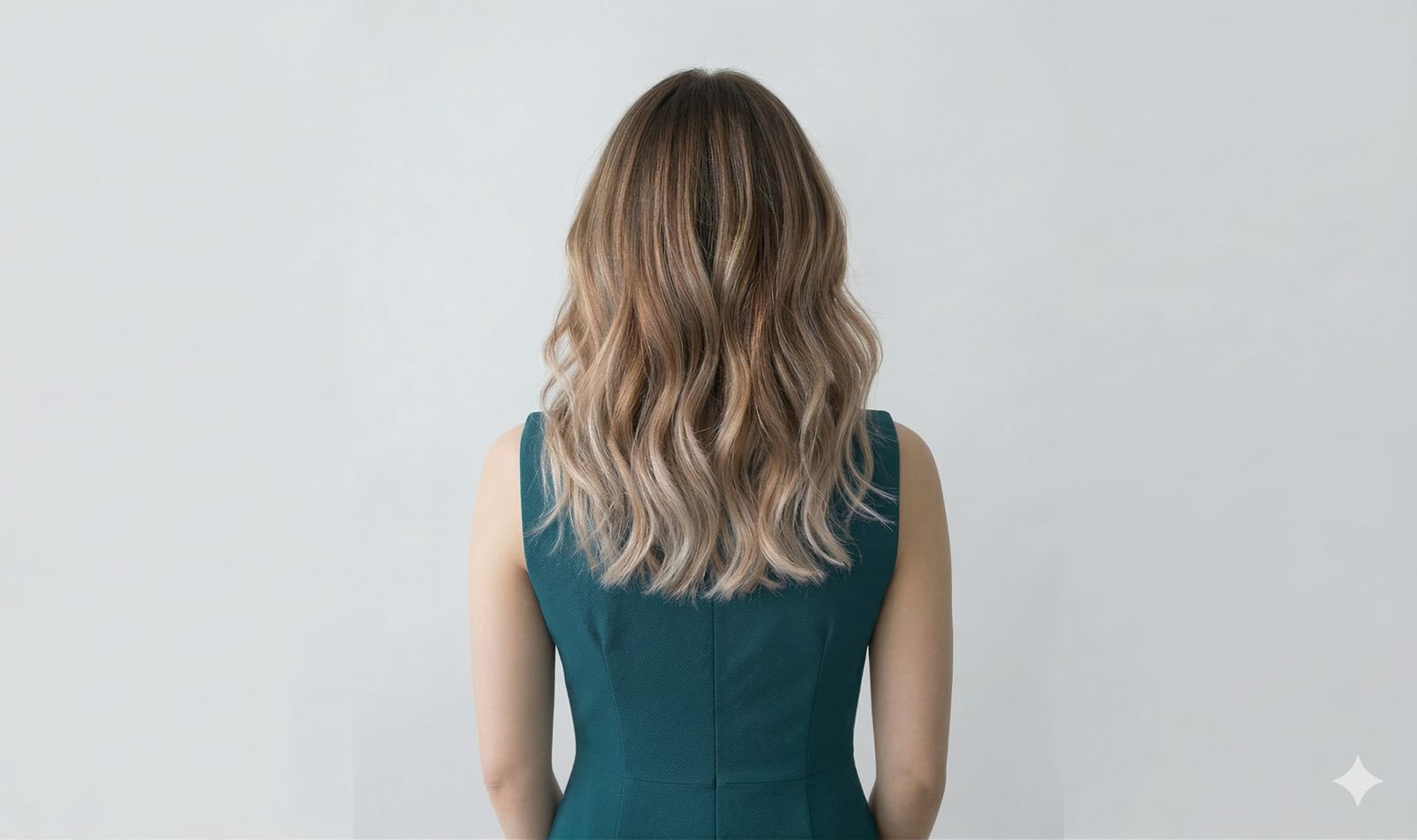
Three excellent straighteners, three different shoppers. A working stylist breaks down ghd Chronos, Platinum+ and Gold so you buy the right one.
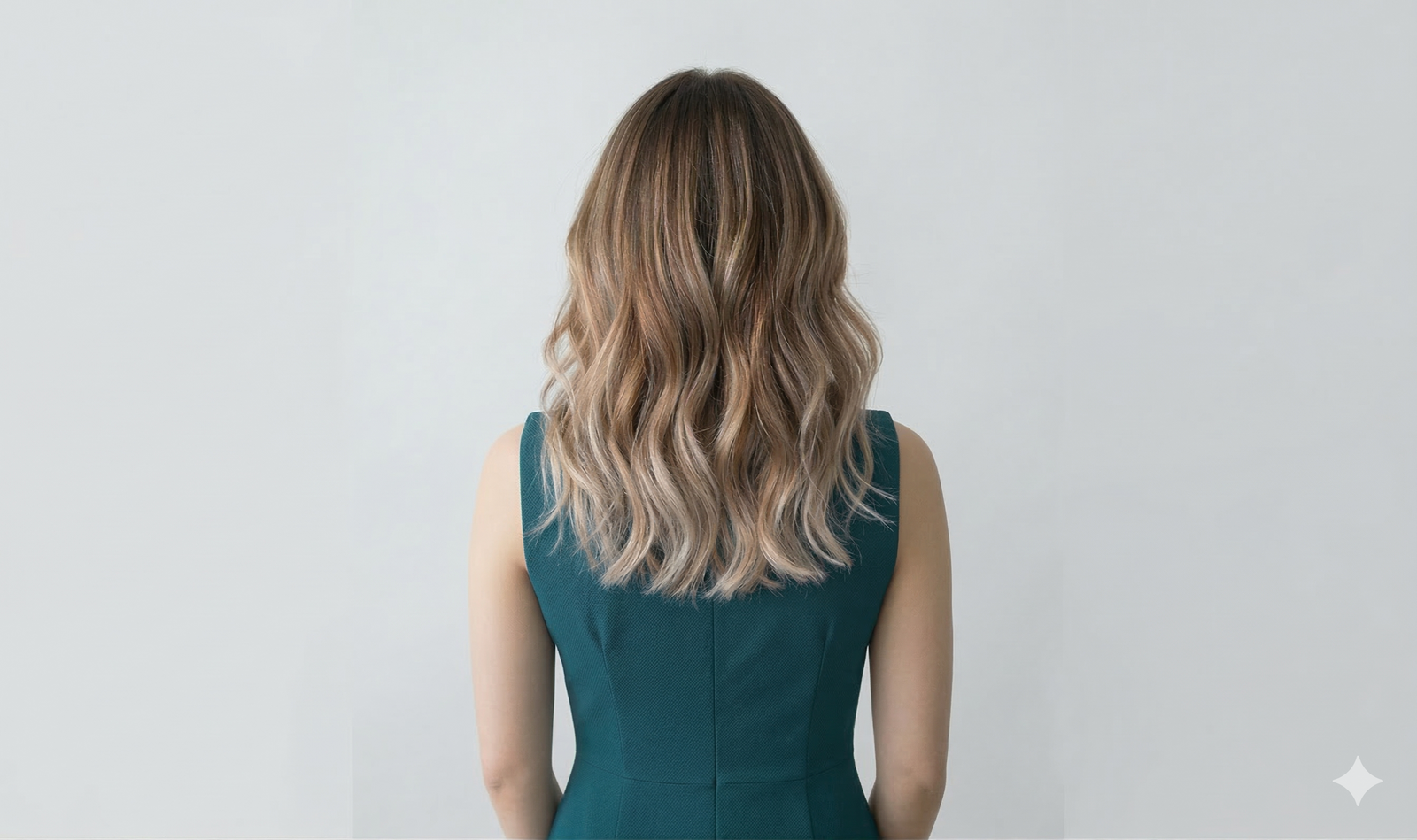
You cannot change the hair you were born with, but you can grow it healthier, lose less of it, and make every strand look fuller. Here is how.